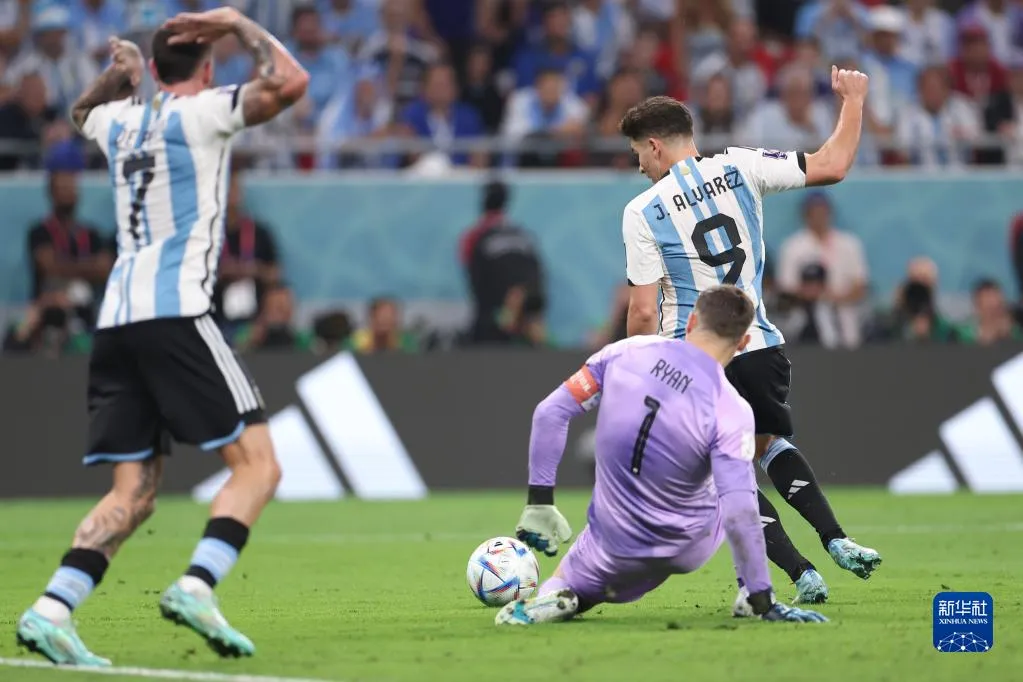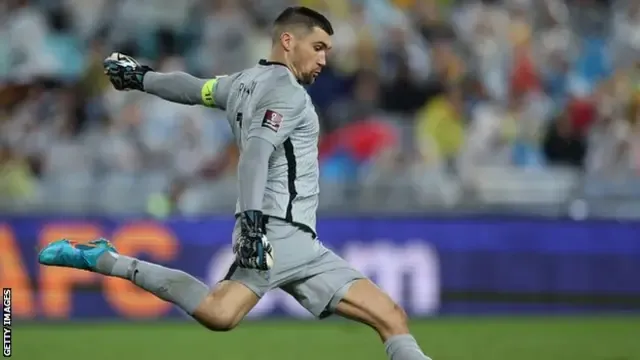
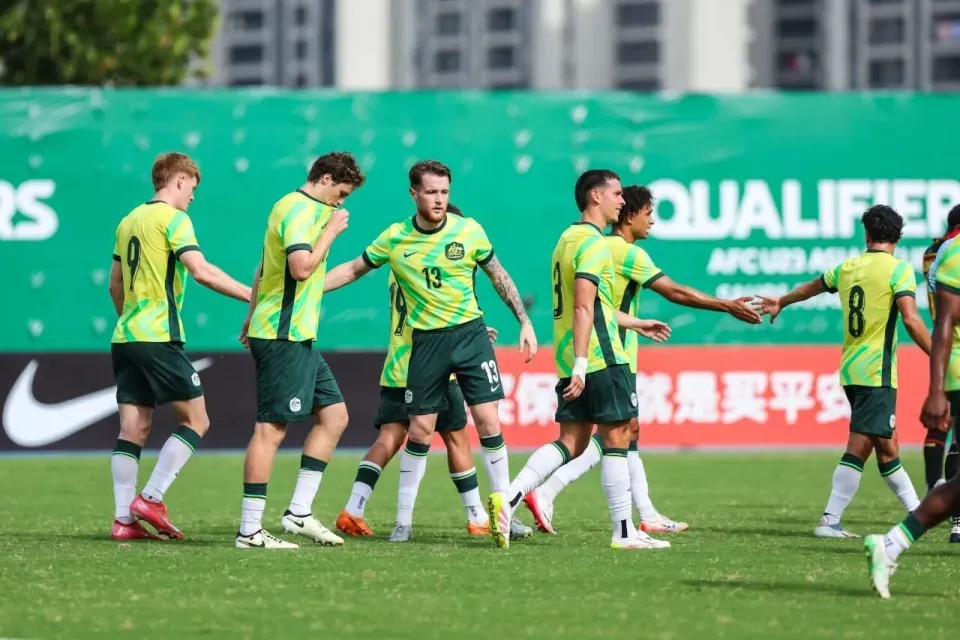
FIFA World Cup matches are often remembered for goals, penalties, and dramatic final moments. But anyone who has followed multiple tournaments knows the truth: most World Cup matches are decided long before the highlights are replayed. They are shaped by preparation, match management, tactical restraint, and an understanding of tournament pressure that rarely exists in domestic football.
For Australian fans, World Cup matches come with their own rhythm — late nights, early mornings, and a mix of neutral viewing and emotional investment. This article looks at FIFA World Cup matches from a practical, analytical angle. It explains how these games actually work, why they feel different from league football, and how fans can read matches more clearly using structure, data, and context rather than emotion alone.
Why FIFA World Cup Matches Feel Different to Club Football
World Cup football is not designed for weekly rhythm. Teams come together briefly, play under extreme scrutiny, and must peak instantly. There is no time to recover from poor form or experiment tactically.
As a result, FIFA World Cup matches tend to be tighter, more cautious, and more emotionally charged than club games. Mistakes carry heavier consequences, and managers prioritise stability over spectacle.
Key structural differences
- Short tournament window
- Limited recovery time
- Higher emotional pressure
- Less tactical flexibility
Once you understand this, the cautious nature of many matches begins to make sense.
The Two Types of World Cup Matches
Although every fixture looks similar on paper, FIFA World Cup matches generally fall into two behavioural categories: group-stage survival games and knockout elimination games.
Group-stage matches
In the group stage, teams often play to avoid losing rather than to win decisively. A single point can be valuable, and goal difference calculations influence risk-taking.
- Lower defensive lines
- Conservative pressing
- High focus on shape
Knockout matches
Once elimination begins, matches tighten further. Managers delay substitutions, minimise risk, and prepare mentally for extra time.
- Slower tempo
- Greater set-piece focus
- Penalty avoidance as priority
Why Early Results Can Mislead Fans
Australian fans often react strongly to opening matches, but early FIFA World Cup matches rarely tell the full story. Teams use early games to assess referees, opponents, and their own physical limits.
A 1–0 win can be more valuable than a 3–2 shootout. Likewise, a cautious draw may signal discipline rather than weakness.
Better early indicators
- Defensive organisation
- Midfield spacing
- Discipline and fouls conceded
- Set-piece structure
Tactical Themes You See in World Cup Matches
One of the joys of FIFA World Cup matches is tactical diversity. Teams from different regions bring distinct football cultures shaped by climate, leagues, and history.
European teams often rely on structure and compactness. South American sides emphasise technical control. African teams combine athleticism with direct transitions, while Asian teams often focus on speed and organisation.
Common tactical patterns
- Low blocks against possession-heavy teams
- Midfield congestion
- Targeted pressing triggers
- Rapid counter-attacks
The Quiet Power of Set Pieces
Set pieces are often decisive in FIFA World Cup matches. Tight defences and tournament fatigue make dead-ball situations more valuable than open play.
Teams rehearse corner routines and free-kick movements extensively. One well-executed set piece can define an entire match.
Why set pieces dominate
- They bypass compact defences
- They reduce randomness
- They punish poor discipline
Understanding Match Data Properly
Modern World Cup coverage is rich in data, but not all statistics tell useful stories. Possession and total shots often hide the truth.
More meaningful metrics
- Expected goals (xG)
- Territory control
- Pass accuracy under pressure
- Defensive recoveries
These metrics explain why teams sometimes dominate without scoring — or win despite limited possession.
Odds, Markets, and Match Expectations
Betting markets around FIFA World Cup matches often adjust faster than fan opinion. Shifts in odds usually reflect tactical expectations, team news, or referee tendencies.
While markets are not perfect predictors, they offer insight into how professionals interpret upcoming matches.
What odds movement can signal
- Late team changes
- Weather conditions
- Injury concerns
Following the Tournament Properly
Tracking FIFA World Cup matches across different time zones can be challenging for Australians. Centralised schedules and analysis platforms help maintain context.
Resources like fifa world cup matches and broader overviews on blog allow fans to follow patterns rather than isolated results.
How Qualification Shapes World Cup Behaviour
The way teams qualify for the World Cup influences how they play once there. Gruelling qualification campaigns often create disciplined, resilient teams.
European qualification produces tactically organised sides, while intercontinental playoffs foster adaptability and mental toughness.
The Psychological Weight of World Cup Matches
FIFA World Cup matches test mental strength as much as technical skill. Players operate under national expectation and global scrutiny.
Teams that manage emotion well often outperform technically superior opponents.
Mental traits of successful teams
- Emotional control
- Leadership on the pitch
- Patience under pressure
How Australian Fans Can Watch Smarter
Rather than focusing solely on goals, Australian viewers can gain more by watching specific patterns: defensive shape, pressing triggers, or substitution timing.
Smarter viewing habits
- Track momentum, not just score
- Watch how teams protect leads
- Observe referee consistency
Why Neutral Matches Are Often the Best
Neutral FIFA World Cup matches often provide the clearest tactical insight. Without emotional bias, patterns are easier to identify.
These matches frequently showcase contrasting styles that define the tournament’s diversity.
FAQ: FIFA World Cup Matches
Why are many World Cup matches low scoring?
Because teams prioritise structure and risk control over attacking freedom.
Do favourites always dominate?
No. Tournament football compresses performance gaps.
Are stats reliable?
Only when interpreted with tactical context.
The Bigger Picture
FIFA World Cup matches are interconnected. A cautious draw can shape a group. A late goal can redefine a knockout path. Fatigue from one match often influences the next.
Understanding this context transforms the tournament from a series of games into a coherent story.
Final Thoughts
The enduring appeal of FIFA World Cup matches lies in their layers. Beneath every goal is preparation, restraint, and pressure management.
For Australian fans willing to look beyond the scoreboard, each match offers insight into how elite football really works when the stakes are absolute.