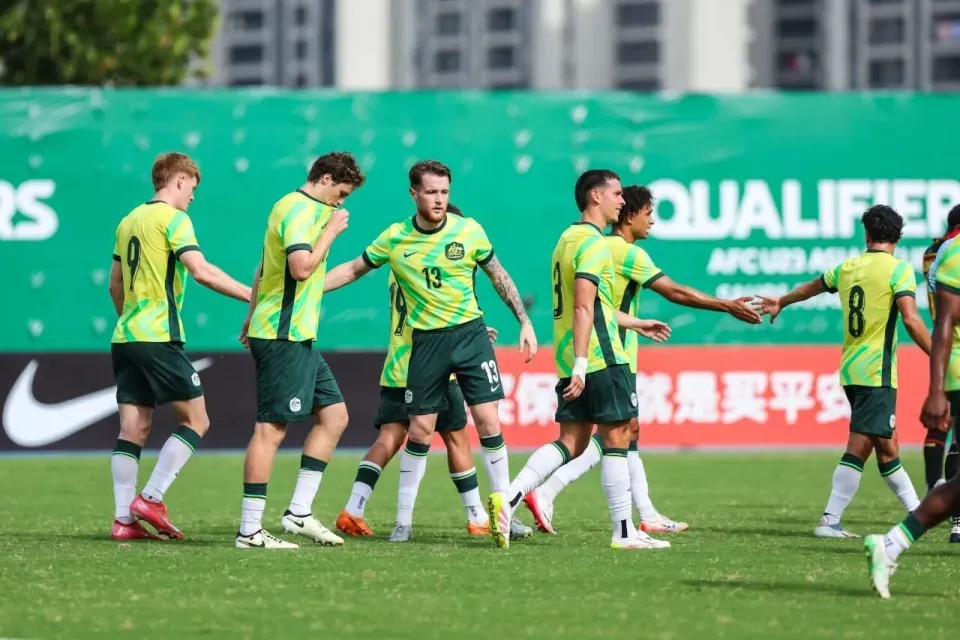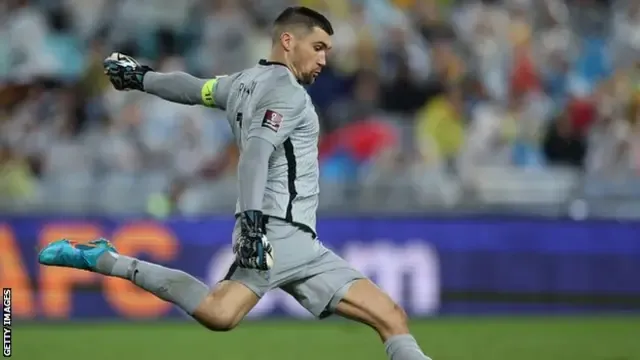
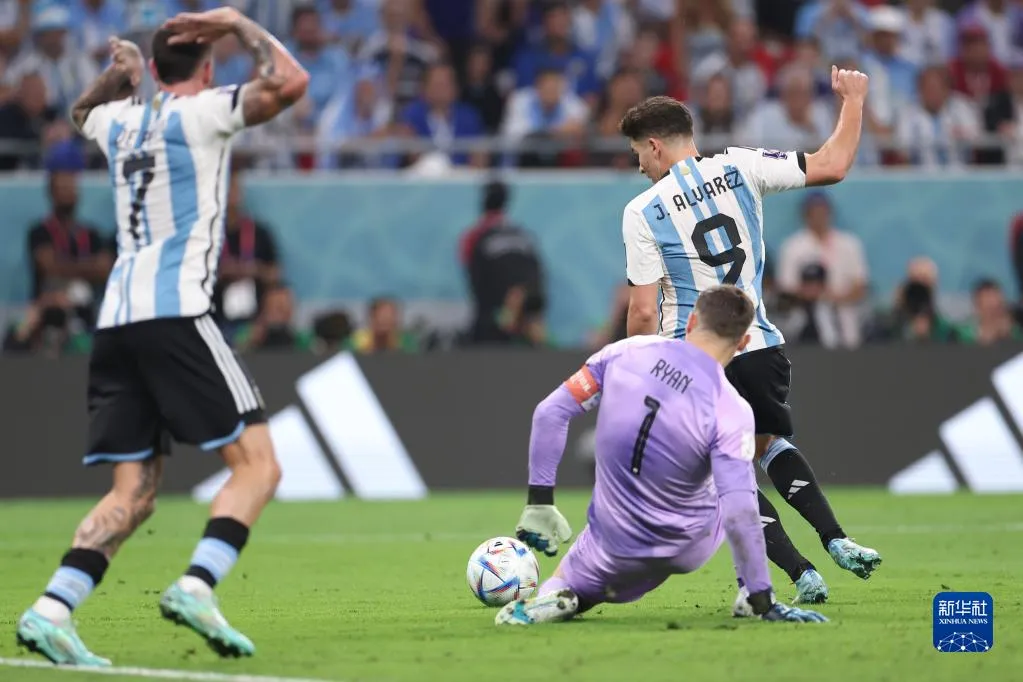
When people talk about FIFA World Cup matches, they often focus on moments — wonder goals, penalty shootouts, shock upsets. But anyone who has followed multiple tournaments closely knows that the World Cup is not built on moments alone. It is built on restraint, discipline, and the ability to survive pressure when conditions are far from ideal.
For Australian fans, World Cup matches can feel unpredictable and sometimes frustrating. Dominant teams struggle. Underdogs refuse to collapse. Games that look open on paper become tight, nervy contests. This article takes a deeper look at FIFA World Cup matches from a tournament-football perspective: how they really work, why patterns repeat across editions, and how experienced viewers interpret games beyond the final score.
Why FIFA World Cup Matches Obey Different Rules
World Cup football exists in a compressed environment. Players arrive from long club seasons, meet teammates they rarely play with, and are expected to perform immediately under global scrutiny. There is no luxury of time.
Because of this, FIFA World Cup matches reward teams that simplify decision-making. Complexity increases error rates. Clarity reduces risk.
Structural pressures unique to the World Cup
- Short preparation windows
- Limited recovery between matches
- Extreme media and public attention
- No margin for long-term adjustment
These pressures shape how matches are played far more than raw talent alone.
Group Matches: Survival Comes First
Group-stage FIFA World Cup matches are often misunderstood. Fans expect ambition, but teams often prioritise survival. One point can be decisive. Goal difference calculations influence every tactical choice.
This is why early matches can feel conservative. Coaches are managing risk across three games, not chasing a single performance.
Typical group-stage behaviours
- Compact defensive blocks
- Controlled pressing rather than all-out pressure
- Risk-averse passing in central zones
- Late-game caution when leading or drawing
A team that looks restrained early often grows stronger as the tournament progresses.
Knockout Matches: Where Mistakes Are Fatal
Once elimination begins, FIFA World Cup matches change character immediately. Draws are no longer acceptable, but recklessness is punished instantly.
Teams defend deeper, attack in shorter bursts, and place enormous value on structure. Extra time and penalties are always in the back of the mind.
Knockout-stage realities
- Lower overall tempo
- Greater reliance on set pieces
- Delayed substitutions for stability
- Higher emotional control demands
Knockout football is less about expression and more about endurance.
Why Possession Often Lies
One of the biggest traps in analysing FIFA World Cup matches is possession statistics. High possession does not equal control.
Many successful teams deliberately concede the ball in safe areas, trusting their defensive shape and waiting for transitional moments.
More reliable indicators of control
- Territory in the final third
- Quality of chances created
- Defensive actions near midfield
- Opponent shot selection
Understanding this helps explain why teams with 40% possession often progress further.
The Tactical Diversity of World Cup Matches
FIFA World Cup matches bring together football cultures that rarely interact at club level. This creates fascinating tactical clashes.
European teams tend to emphasise structure and spacing. South American sides value ball control and improvisation. African teams often combine physical power with fast transitions. Asian teams frequently rely on speed, discipline, and collective movement.
Common tactical responses
- Low blocks against possession-heavy teams
- Midfield congestion to disrupt rhythm
- Targeted pressing triggers
- Quick vertical attacks after turnovers
World Cup matches are as much about adaptation as identity.
Set Pieces: The World Cup’s Silent Decider
Set pieces play an outsized role in FIFA World Cup matches. Tight spaces, organised defences, and fatigue make dead-ball situations disproportionately valuable.
Corners and free kicks are rehearsed in detail. Teams analyse opponent marking schemes and goalkeeper tendencies obsessively.
Why set pieces decide outcomes
- They bypass compact defensive lines
- They reward discipline and preparation
- They punish concentration lapses
- They slow momentum when needed
Many World Cup matches are effectively decided from one set-piece error.
Reading Match Data Without Being Misled
Modern broadcasts flood viewers with statistics, but not all data is equally useful. Raw shot counts and possession percentages often misrepresent match flow.
Metrics that offer real insight
- Expected goals (xG)
- Field tilt and territorial dominance
- Pass accuracy under pressure
- Defensive recoveries in advanced zones
These numbers help explain why some teams look comfortable without scoring and others look nervous while leading.
How Odds Reflect World Cup Match Dynamics
Betting markets around FIFA World Cup matches often react faster than public opinion. Odds shifts usually reflect inside knowledge: tactical changes, injuries, or referee tendencies.
While markets are not flawless, they offer a snapshot of informed expectation.
Common signals behind odds movement
- Late squad announcements
- Weather or pitch conditions
- Fitness concerns
- Strategic rotation
Watching these shifts can provide context, even for non-bettors.
How Qualification Shapes Match Behaviour
The way teams qualify for the World Cup strongly influences how they play once there. Gruelling qualification campaigns often produce disciplined, mentally tough sides.
European qualification tends to sharpen defensive structure, while intercontinental playoffs build adaptability and resilience.
For fans tracking the broader journey, resources like qualifiers matches and dedicated match hubs such as worldcu-pmatches help connect qualification form with World Cup performance.
The Psychological Weight of World Cup Matches
FIFA World Cup matches are psychological contests as much as physical ones. Players operate under national expectation, unfamiliar environments, and global attention.
Teams that regulate emotion consistently outperform those that react impulsively.
Mental traits of successful teams
- Calm response to setbacks
- Acceptance of refereeing decisions
- Strong on-field leadership
- Patience when momentum stalls
Mental stability often decides matches when talent is evenly matched.
Why Neutral Matches Reveal the Most
For Australian viewers, neutral FIFA World Cup matches often provide the clearest tactical lessons. Without emotional bias, patterns become easier to recognise.
These games frequently showcase contrasting styles and strategic chess matches that define the tournament.
How Australians Can Watch World Cup Matches Smarter
Watching World Cup football from Australia often means odd hours and fragmented schedules. That commitment rewards deeper analysis.
Rather than tracking the ball constantly, try focusing on one element for extended periods: defensive shape, midfield spacing, or pressing triggers.
Smarter viewing habits
- Track momentum shifts, not just goals
- Watch how teams defend leads
- Note substitution timing
- Observe referee consistency
Why Upsets Are Not Accidents
Upsets in FIFA World Cup matches are rarely random. They are usually the result of structural discipline, emotional control, and opponent complacency.
Underdogs often succeed by simplifying the game and forcing favourites into uncomfortable decisions.
FAQ: FIFA World Cup Matches
Why do World Cup matches often feel tense?
Because teams prioritise error avoidance over expression.
Do favourites always control matches?
No. Tournament football compresses performance gaps.
Are statistics reliable?
Only when interpreted alongside tactical context.
The Bigger Picture of Tournament Football
FIFA World Cup matches are interconnected. A cautious draw can reshape a group. A single goal can alter an entire knockout path. Fatigue from one match often echoes into the next.
Seeing matches as part of a larger system rather than isolated events changes how the tournament is understood.
Final Reflection: Why Discipline Wins World Cups
The defining lesson of FIFA World Cup matches is simple: discipline lasts longer than brilliance. Organisation, patience, and emotional control consistently outperform flair when margins are thin.
For Australian fans willing to look past highlights, each match offers a deeper lesson in how elite football operates when the stakes are absolute.
In the World Cup, moments are remembered — but structure decides who stays.