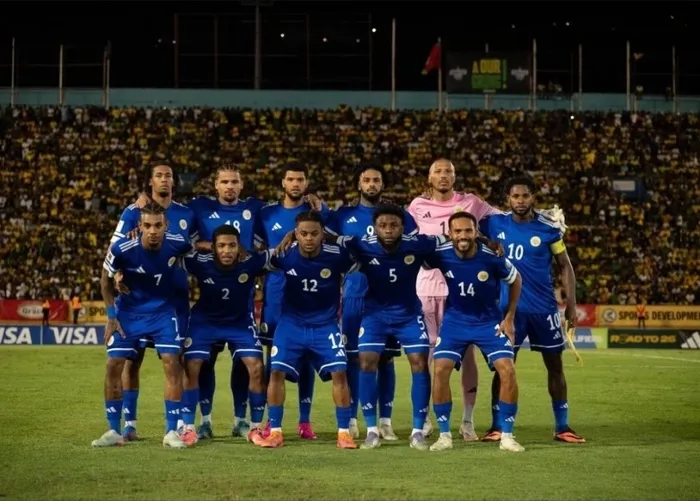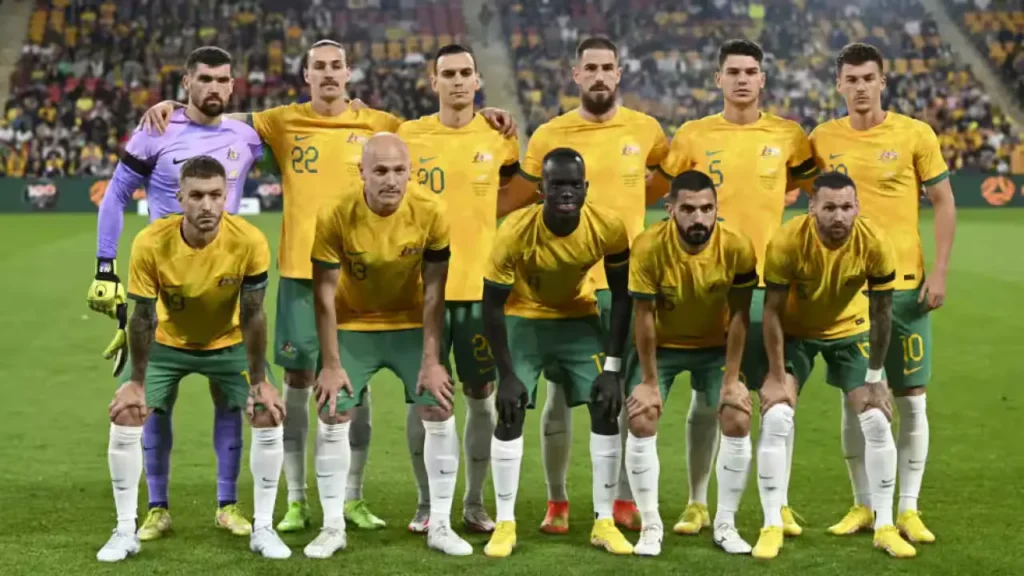
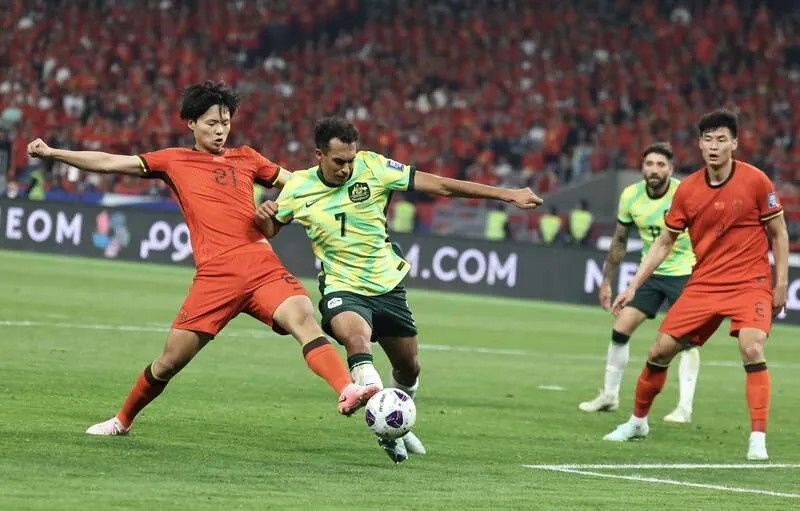
There is football, and then there are World Cup matches. On the surface, the rules are identical. The pitch is the same size. The ball weighs the same. Yet the way these matches unfold feels fundamentally different. Every pass carries weight. Every mistake echoes louder. Every decision is judged not just in sporting terms, but through national memory.
For Australian fans, World Cup matches are often consumed in silence — early mornings, half-lit rooms, coffee replacing crowd noise. That distance strips away hype and exposes truth. And the truth is this: World Cup matches operate under pressures that ordinary football simply does not understand. This article explores why these games behave the way they do, what truly decides outcomes, and why even the best teams often look uncomfortable on the biggest stage.
Why World Cup Matches Compress Time and Choice
In club football, players have time. Time to recover, to correct mistakes, to rebuild confidence. World Cup matches remove time entirely.
A poor half can end a campaign. A single lapse can erase four years of planning. This compression changes behaviour instantly.
How time pressure reshapes matches
- Players avoid risky passes
- Teams recycle possession more cautiously
- Decision-making slows under pressure
- Creativity is rationed
World Cup football is not rushed — it is restrained.
The Difference Between Talent and Tournament Skill
World Cup matches often expose a gap between talent and tournament skill. The most gifted teams do not always progress furthest.
Tournament skill is the ability to function when comfort disappears. It is knowing when not to attack, when not to press, and when to accept imperfection.
Traits of strong tournament teams
- Emotional regulation
- Clear decision hierarchies
- Patience without passivity
- Trust in structure
These traits rarely dominate highlight reels, but they decide World Cup matches repeatedly.
Why Group Matches Are About Avoidance, Not Assertion
Group-stage World Cup matches are rarely about proving superiority. They are about avoiding damage.
Teams manage risk across three fixtures. A draw can be strategic. A narrow loss can be recoverable. A chaotic win can be dangerous.
Hidden objectives in group matches
- Protecting goal difference
- Limiting injuries and fatigue
- Concealing tactical variations
- Testing opponent behaviour
The teams that survive groups often look restrained early for good reason.
Knockout Matches: Where Fear Becomes Structure
Once elimination begins, fear does not cause panic — it creates order.
Players prioritise shape. Coaches avoid disruption. Risk is introduced only in controlled windows.
How fear shapes knockout play
- Deeper defensive blocks
- Shorter attacking sequences
- Delayed substitutions
- Acceptance of extra time
In knockout World Cup matches, chaos is the enemy.
Why Possession Statistics Mislead at the World Cup
Possession dominance in World Cup matches often signals frustration rather than control.
Teams willingly surrender the ball in safe areas, conserving energy and waiting for transition moments.
Indicators that matter more than possession
- Opponent shot quality
- Territory after turnovers
- Defensive recoveries
- Set-piece pressure
Control is about danger management, not ball circulation.
The Midfield as a Containment Zone
In World Cup matches, midfield is not always about creativity. It is about containment.
Teams compress space, disrupt rhythm, and force wide play.
Midfield priorities in tournament football
- Protect central channels
- Delay opposition transitions
- Force predictable passing lanes
- Reduce second-ball losses
The best World Cup midfields make matches feel slow — on purpose.
Set Pieces: Football’s Shortcut Under Pressure
Set pieces become decisive in World Cup matches because they bypass emotional and tactical caution.
A corner or free kick creates a moment where structure briefly dissolves.
Why dead balls matter so much
- Physical mismatches
- Momentary defensive confusion
- High rehearsal value
- Goalkeeper pressure
Many World Cup matches hinge on a single set-piece error.
Fatigue You Cannot See on Television
World Cup fatigue is not dramatic. Players do not collapse. They hesitate.
A half-second delay is enough to concede space, fouls, or positioning.
Signs fatigue is affecting matches
- Late defensive steps
- Missed tracking runs
- Sloppy clearances
- Increased fouling
Teams that manage fatigue best often survive longest.
Defensive Discipline as Emotional Control
Elite World Cup defence is emotional discipline in physical form.
It frustrates opponents, forces impatience, and creates errors without contact.
Defensive behaviours that decide matches
- Compact spacing
- Minimal fouling
- Clear communication
- Consistent line management
Defence wins World Cup matches long before attacks do.
Why Coaches Fear Substitutions
Substitutions in World Cup matches are not impact tools — they are risk calculations.
Each change threatens structure and chemistry.
Why fewer changes are made
- Fear of positional confusion
- Loss of tactical discipline
- Emotional instability
- Game-state disruption
Stability often outweighs freshness.
Why Underdogs Often Look Braver
Underdogs enter World Cup matches without expectation. That freedom sharpens decisions.
Their roles are simpler. Their objectives are clear.
Advantages underdogs carry
- Clear defensive identity
- No pressure to dominate
- Focused counter plans
- Set-piece emphasis
World Cup matches reward clarity more than confidence.
The Australian Viewing Lens
Australians watch World Cup matches without constant noise. This distance reveals patterns.
Without hype, structure becomes visible.
What Australians notice more easily
- Shape consistency
- Tempo management
- Emotional reactions
- Referee influence
Silence sharpens understanding.
Why Predictions Rarely Hold
World Cup matches compress randomness. Small margins decide everything.
A deflection, a referee decision, a missed chance — all carry amplified weight.
Why forecasting fails
- Short sample sizes
- Emotional volatility
- Set-piece randomness
- Fatigue accumulation
Uncertainty is not a flaw — it is the essence.
FAQ: World Cup Matches
Why do World Cup matches feel slow?
Because risk is deliberately managed.
Why do stars struggle?
Because freedom disappears under pressure.
Why are draws so common?
Because survival often outweighs dominance.
Final Reflection: Why These Matches Stay Heavy
World Cup matches stay heavy because they reveal how humans behave when comfort is stripped away.
For Australian fans watching quietly, these matches offer something deeper than spectacle — they offer truth.
In the World Cup, talent opens doors. Discipline decides who remains inside.