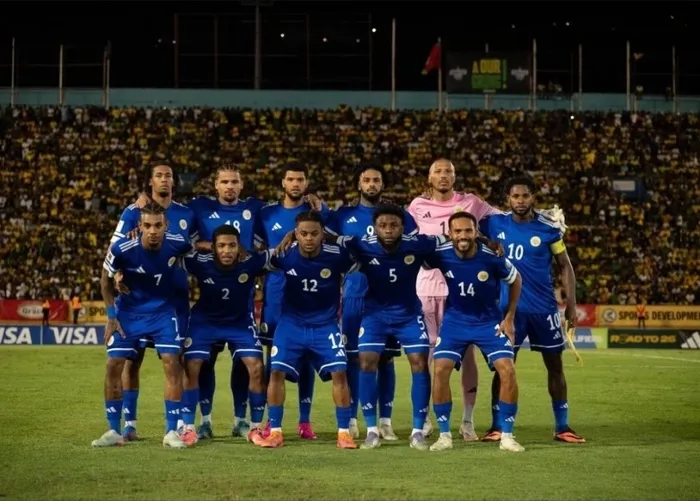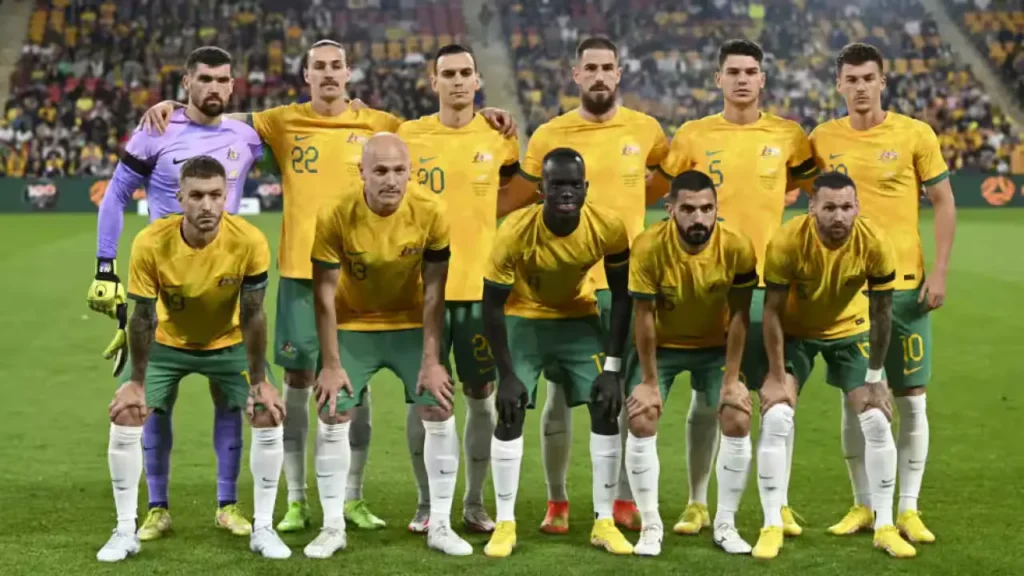
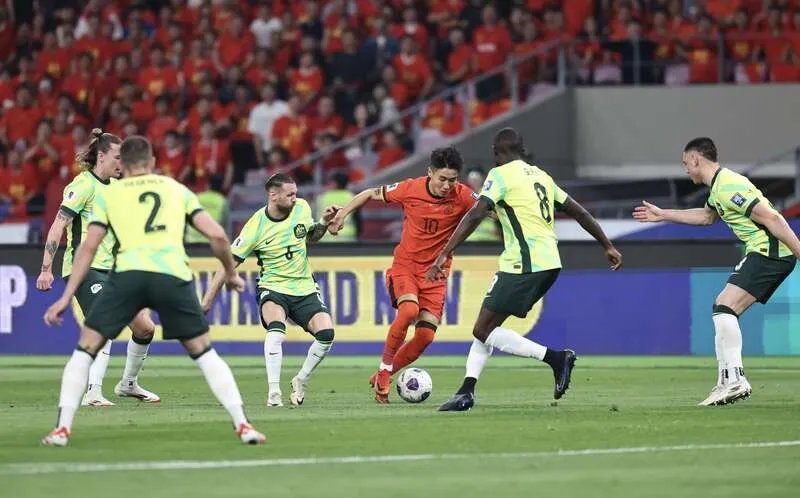
At a distance, World Cup matches look like the ultimate celebration of football talent. The best players, elite managers, global audiences and historic stakes all point toward excellence. Yet when you strip away the spectacle, World Cup matches are not about who plays the best football — they are about who copes best when football becomes uncomfortable.
For Australian fans watching through quiet mornings or long nights, this truth becomes obvious. These matches do not reward flow, freedom, or rhythm. They reward discipline, patience, and emotional restraint. This article explores World Cup matches from a different angle — not as entertainment products, but as stress environments designed to reveal which teams truly understand tournament football.
Why World Cup Matches Shrink the Game
Domestic football expands space over time. Teams build chemistry, patterns, and trust. World Cup matches compress everything.
Preparation windows are short. Players arrive fatigued. Tactical complexity must be simplified immediately. Under these conditions, the game shrinks — physically and mentally.
How compression changes behaviour
- Safer passing options are preferred
- Fewer players commit forward
- Spacing becomes conservative
- Creativity is rationed
World Cup matches do not reward expansion — they reward containment.
The Illusion of Quality in Early Matches
Opening World Cup matches often confuse fans. Strong teams look stiff. Lesser-known sides appear organised and confident.
This is not accidental. Early matches are used to establish defensive credibility rather than attacking dominance.
Early-match priorities
- Defensive cohesion
- Referee calibration
- Opponent behaviour analysis
- Emotional stabilisation
Teams that chase excitement early often pay later.
Why Tournament Football Punishes Expression
Expression in World Cup matches carries risk. Dribbles can fail. Presses can be bypassed. Aggression can open space.
As pressure rises, teams retreat into structure. Expression becomes selective, not constant.
Expression under control looks like
- Short attacking bursts
- Defined counter-attacking moments
- Set-piece aggression
- Late-match tactical gambles
World Cup matches reward timing, not volume.
Group Matches: A Study in Self-Restraint
Group-stage World Cup matches rarely reward ambition. They reward discipline.
Teams calculate outcomes across three fixtures. A clean sheet can matter more than a second goal. A draw can be strategic.
Hidden group-stage objectives
- Preserve goal difference
- Reduce injury risk
- Conceal tactical depth
- Control emotional swings
Survival beats style in the group stage.
Knockout Matches: Where Fear Becomes Precision
Once elimination arrives, World Cup matches become precision exercises.
Fear sharpens focus. Attacking decisions are filtered. Defensive errors are avoided at all costs.
Knockout-match characteristics
- Compact defensive blocks
- Reduced pressing intensity
- Increased set-piece focus
- Late-game caution
Knockout football is not about bravery — it is about restraint.
Why Possession Dominance Often Backfires
Possession-heavy teams frequently struggle in World Cup matches.
Circulating the ball without penetration increases fatigue and exposes counter-attacks.
Better measures of control
- Opponent shot locations
- Territory after turnovers
- Defensive recoveries
- Set-piece pressure
World Cup control is about danger limitation, not ball ownership.
The Middle Third: The World Cup’s Quiet Battlefield
Most World Cup matches are decided away from goals.
The middle third is where rhythm is disrupted, pressing traps are sprung, and transitions are delayed.
Midfield priorities
- Protect central channels
- Force sideways play
- Delay counter-attacks
- Control second balls
Winning midfield often means winning invisibly.
Set Pieces: Tournament Football’s Shortcut
Set pieces dominate World Cup matches because they bypass hesitation.
They create forced moments where preparation overrides improvisation.
Why dead balls decide outcomes
- Physical mismatches
- Brief defensive confusion
- Goalkeeper pressure
- Rehearsed movement
One corner can outweigh ninety minutes of control.
Fatigue That Changes Decisions
World Cup fatigue is rarely visible. Players do not slow dramatically — they hesitate.
A half-second delay is enough to lose a duel or misjudge a press.
Signs fatigue is creeping in
- Late defensive reactions
- Missed tracking runs
- Increased fouling
- Overhit clearances
Managing fatigue is often decisive.
Defence as Psychological Pressure
Elite World Cup defence exhausts opponents mentally.
Repeated denial of space forces attackers into impatience.
Defensive traits that win tournaments
- Consistent spacing
- Minimal fouling
- Clear communication
- Strong recovery structure
Frustration creates errors faster than aggression.
Why Coaches Avoid Substitutions
Substitutions in World Cup matches are structural risks.
Changing personnel can destabilise spacing and chemistry instantly.
Why coaches hesitate
- Fear of positional confusion
- Loss of defensive cohesion
- Emotional imbalance
- Game-state disruption
Stability often beats energy.
Why Underdogs Look More Comfortable
Underdogs enter World Cup matches without historical burden.
Their objectives are narrow and achievable.
Underdog advantages
- Clear defensive identity
- No obligation to dominate
- Efficient counter-attacks
- Set-piece focus
Clarity consistently outperforms confidence.
The Australian Viewing Advantage
Australians experience World Cup matches without constant media saturation.
This distance sharpens tactical awareness.
What becomes clearer
- Shape discipline
- Tempo control
- Emotional reactions
- Referee influence
Distance improves understanding.
Why Predictions Rarely Survive Reality
World Cup matches compress randomness into short windows.
A deflection, a whistle, or a lapse can override preparation.
Why forecasts fail
- Small sample sizes
- Emotional volatility
- Set-piece randomness
- Accumulated fatigue
Uncertainty is the essence of tournament football.
FAQ: World Cup Matches
Why do World Cup matches feel tense?
Because consequences are irreversible.
Why do favourites struggle?
Because pressure removes freedom.
Why are goals scarce?
Because risk is rationed.
Final Reflection: Why Control Defines the World Cup
World Cup matches reveal football’s true hierarchy — not of talent, but of composure.
For Australian fans watching quietly, these games offer clarity rather than chaos.
At the World Cup, skill opens doors. Control decides who stays inside.