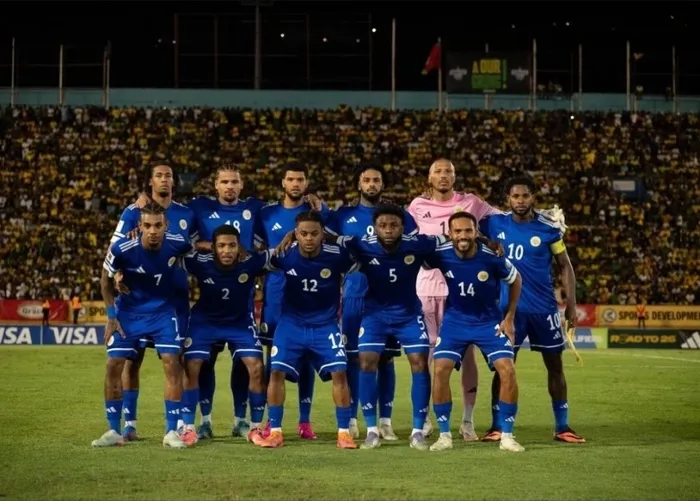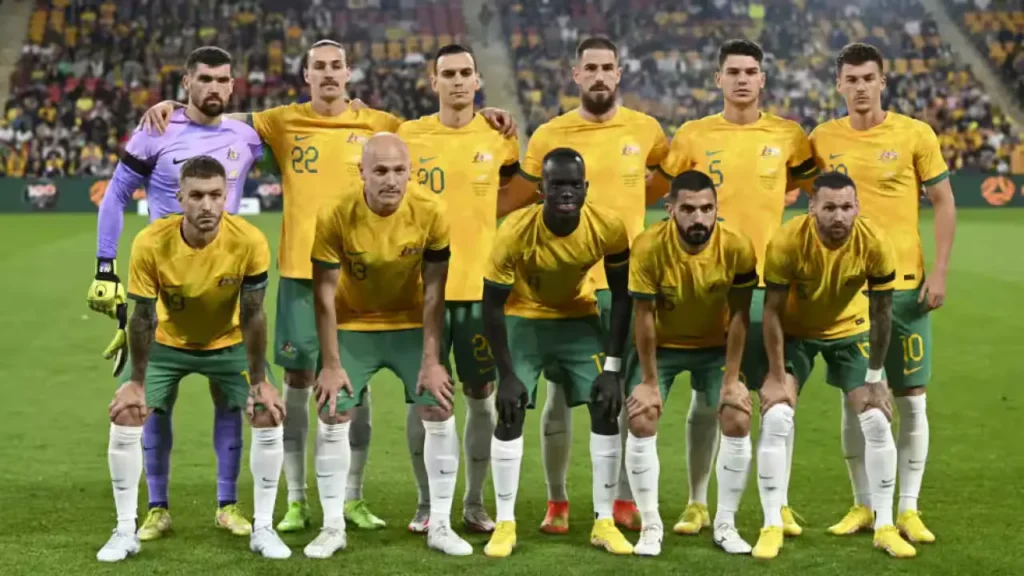
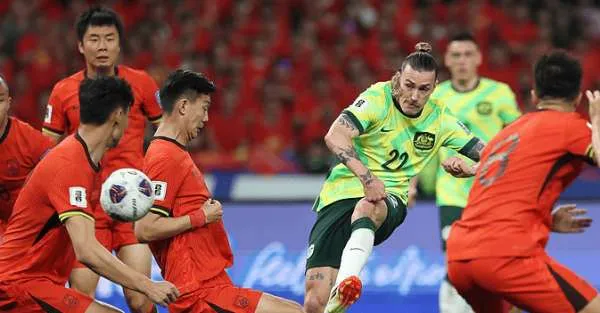
When people talk about World Cup matches, the focus usually falls on what happens during the ninety minutes — the goals, the saves, the moments of drama. But seasoned observers know that many World Cup matches are effectively decided well before the first whistle. Preparation, psychology, and expectation quietly shape outcomes in ways that are invisible on highlight reels.
For Australian fans, World Cup matches are often watched with a kind of analytical distance. Early mornings and late nights remove much of the hype and allow patterns to emerge. From that perspective, it becomes clear that World Cup football is less about brilliance under lights and more about who arrives best prepared to manage pressure, uncertainty, and constraint.
Why World Cup Matches Punish Improvisation
Improvisation is celebrated in club football. Players take risks knowing there will be another match soon. World Cup matches remove that safety net.
One failed dribble, one mistimed press, or one reckless pass can end a campaign built over years. As a result, teams reduce improvisation and lean heavily on rehearsed behaviours.
Why structure replaces spontaneity
- Limited recovery time between games
- Short preparation camps
- Players unfamiliar with each other’s habits
- Global scrutiny magnifying every mistake
At the World Cup, reliability beats creativity more often than not.
The Hidden Importance of Pre-Tournament Narratives
Every team enters World Cup matches carrying a narrative — favourites, dark horses, rebuilding sides, or hopeful underdogs. These narratives shape behaviour.
Teams labelled favourites often play with caution, aware that failure will be judged harshly. Underdogs, by contrast, play with emotional freedom.
How narratives influence performance
- Risk tolerance shifts based on expectation
- Media pressure affects decision-making
- Players self-censor mistakes
- Coaches manage perception as well as tactics
World Cup matches are as much about managing stories as managing opponents.
Group Matches: Where Restraint Is a Skill
Group-stage World Cup matches are often misunderstood. Fans expect statements; teams aim for stability.
The objective is not to win beautifully, but to avoid catastrophe. A clean sheet can be more valuable than an extra goal.
Why restraint wins groups
- Goal difference calculations
- Energy conservation
- Opponent scouting for later rounds
- Squad management
Teams that treat the group stage as an audition often exit early.
Knockout Matches: Decision-Making Under Maximum Stress
Once elimination begins, World Cup matches become decision-making tests rather than football exhibitions.
Players must choose when to attack, when to delay, and when to accept risk — all while knowing one error can define careers.
Knockout-stage decision patterns
- Preference for safe passing lanes
- Delayed forward runs
- Minimal numbers committed to attack
- High reliance on set pieces
The bravest teams are often the most disciplined.
Why Possession Can Be a Liability
Possession dominance in World Cup matches often benefits the defending team.
Teams without the ball conserve energy, maintain shape, and wait for transitional moments. Meanwhile, possession-heavy sides expose themselves to counters.
Control without the ball looks like
- Compact defensive blocks
- Forcing play into wide areas
- Limiting central penetration
- Targeted counter-attacks
At the World Cup, comfort without possession is power.
The Middle Phase: Where Concentration Slips Are Punished
World Cup matches often hinge on the least dramatic period — the middle stretch where intensity drops slightly and fatigue begins to whisper.
This is where defensive lines stretch, communication falters, and fouls creep in.
Signs a match is tilting
- Late challenges
- Missed recovery runs
- Poor spacing between units
- Growing frustration
Teams that reset successfully here usually survive.
Set Pieces: Preparation Made Visible
Set pieces are the most honest moments in World Cup matches. They reveal preparation without disguise.
Corners and free kicks strip away improvisation and reward rehearsal.
Why set pieces decide outcomes
- High conversion potential
- Physical mismatches
- Brief defensive disorganisation
- Goalkeeper pressure
A single dead-ball lapse can outweigh hours of open play.
The Fatigue That Statistics Don’t Show
World Cup fatigue rarely appears as exhaustion. It appears as hesitation.
Players hesitate to press, hesitate to shoot, hesitate to commit — and those fractions of doubt are enough.
Subtle fatigue indicators
- Delayed defensive reactions
- Overhit passes
- Missed marking assignments
- Increased fouling
Mental fatigue often arrives before physical fatigue.
Why Defence Dominates World Cup History
World Cup history consistently rewards strong defensive teams.
Defence provides predictability in an unpredictable environment. It reduces variables.
Traits of elite World Cup defence
- Clear role allocation
- Compact spacing
- Minimal fouling in danger zones
- Strong communication
Defensive stability creates attacking opportunities indirectly.
Substitutions: The Fear of Breaking Rhythm
Substitutions in World Cup matches are often conservative for a reason.
A change can disrupt spacing, chemistry, and emotional balance.
Why coaches hesitate
- Risk of positional confusion
- Loss of defensive cohesion
- Unpredictable emotional response
- Game-state sensitivity
In tournament football, maintaining rhythm often matters more than injecting energy.
Why Underdogs Thrive in World Cup Matches
Underdogs arrive without burden. Their objectives are narrow and realistic.
They focus on discipline, transition, and set pieces — the currencies of tournament football.
Underdog strengths
- Clear tactical identity
- No obligation to dominate
- Efficient chance conversion
- Emotional freedom
The World Cup is designed to level hierarchies.
The Australian Viewing Advantage
Australian fans watch World Cup matches without constant media saturation.
That distance highlights structure rather than spectacle.
What becomes clearer from afar
- Shape discipline
- Tempo management
- Reaction to pressure
- Referee influence
Distance often sharpens understanding.
Why Predictions Struggle at the World Cup
World Cup matches compress randomness into short windows.
One deflection, one decision, one lapse can overwhelm preparation.
Why forecasting fails
- Small sample sizes
- High emotional volatility
- Set-piece randomness
- Fatigue accumulation
Uncertainty is not a flaw — it is the tournament’s identity.
FAQ: World Cup Matches
Why do World Cup matches feel tense?
Because consequences are final.
Why do favourites struggle?
Because expectation limits freedom.
Why are goals often scarce?
Because risk is carefully rationed.
Final Reflection: Why Preparation Outlasts Talent
World Cup matches expose football’s deepest truth: preparation lasts longer than brilliance.
For Australian fans watching quietly, these matches offer insight into how humans perform under ultimate pressure.
At the World Cup, talent opens doors — preparation decides who stays inside.