
FIFA World Cup Matches Explained: How Every Game Shapes the Tournament Story
FIFA World Cup matches are more than fixtures on a calendar. Each match functions as a pressure chamber where tactics, psychology, data, and national expectation collide. From the opening group games to the final knockout whistle, every match subtly reshapes the tournament narrative — often in ways that only become obvious days or weeks later.
For Australian fans, World Cup matches are consumed differently than club football. Time zones, condensed schedules, and the sheer diversity of playing styles mean viewers are constantly adjusting expectations. This article breaks down FIFA World Cup matches in practical terms: how they are structured, how to read them properly, what the numbers really mean, and how experienced fans analyse matches beyond the scoreline.
What Makes FIFA World Cup Matches Unique?
World Cup football behaves differently from domestic leagues and continental tournaments. Matches are compressed into a short window, recovery time is limited, and squads must peak quickly rather than over a long season.
Because of this, World Cup matches often feel tense, cautious, and tactical — especially in the early stages. Teams are not chasing style points; they are chasing survival.
Key differences from league football
- Limited recovery between matches
- Greater emphasis on risk management
- Reduced squad rotation
- Higher psychological pressure
Understanding these constraints helps explain why World Cup matches often defy pre-tournament predictions.
How FIFA World Cup Matches Are Structured
The tournament format shapes how matches are approached. Group-stage fixtures reward control and discipline, while knockout games punish even minor errors.
Group stage matches
In the group phase, teams balance ambition with caution. One win can define qualification, but one loss can destroy momentum. As a result, many group matches prioritise shape, territory, and minimising mistakes.
Knockout matches
Once elimination begins, the tone changes dramatically. Draws are no longer acceptable. Risk tolerance increases — but only selectively.
- Defensive blocks become deeper
- Transitions become more controlled
- Set pieces gain increased importance
- Substitutions are delayed for stability
Why Early World Cup Matches Can Be Misleading
Australian viewers often react strongly to early results, but opening World Cup matches rarely tell the full story. Teams use early games to assess referees, opponents, and physical condition.
A narrow win can be more valuable than a dominant performance that exposes tactical flaws. Likewise, a cautious draw may signal preparation rather than weakness.
Early-match indicators that matter
- Defensive spacing and compactness
- Midfield control under pressure
- Set-piece execution
- Discipline and foul count
Reading the Tactics in FIFA World Cup Matches
Tactical variety is one of the defining features of FIFA World Cup matches. Teams from different confederations bring contrasting philosophies, shaped by climate, domestic leagues, and historical preferences.
European sides often emphasise structure and positional discipline. South American teams lean toward fluid attacking movement. African and Asian teams frequently combine physical intensity with rapid transitions.
Common tactical patterns
- Low-block defence against possession-heavy teams
- Midfield overloads to disrupt build-up play
- Targeted pressing triggers
- Set-piece routines tailored to opponents
Spotting these patterns turns passive viewing into active analysis.
The Hidden Importance of Set Pieces
In FIFA World Cup matches, set pieces account for a disproportionate number of goals. Tight games, compact defences, and fatigue make dead-ball situations decisive.
Corners and free kicks are no longer improvised. They are rehearsed extensively and adjusted game by game.
Why set pieces matter so much
- They bypass organised defensive blocks
- They create controlled scoring chances
- They punish discipline lapses
- They slow the game when teams need control
Many World Cup matches swing on a single well-executed set play.
Data and Metrics Behind World Cup Matches
Modern FIFA World Cup matches generate vast amounts of data, but not all metrics are equally useful. Possession percentages and shot counts often mislead casual viewers.
Metrics that actually matter
- Expected goals (xG)
- Field tilt and territory
- Pass completion under pressure
- Defensive actions in the final third
These indicators help explain why some teams dominate without scoring — and why others win with limited possession.
How Odds and Markets Reflect Match Reality
Betting markets around FIFA World Cup matches often adjust faster than public opinion. Odds shifts can reveal underlying expectations about tactics, injuries, or referee tendencies.
For analytical fans, watching line movement can provide insight into how a match is likely to unfold.
What odds changes often signal
- Late tactical adjustments
- Confirmed squad rotations
- Weather or pitch conditions
- Injury or fitness concerns
Markets don’t predict results perfectly — but they reflect informed consensus.
Why Neutral Matches Are Often the Best to Watch
Australian fans frequently enjoy neutral World Cup matches more than games involving traditional powers. Without emotional bias, patterns become easier to spot.
These matches often feature contrasting styles and unexpected tactical battles that reveal the tournament’s depth.
Dedicated platforms like worldcu-pmatches and detailed schedules such as world cup matches help fans follow these fixtures without missing key context.
How Qualification Shapes World Cup Matches
The intensity of World Cup matches is shaped long before the tournament begins. Qualification campaigns harden teams differently depending on region.
Sides emerging from gruelling qualification paths often arrive more tactically disciplined, while others rely on technical superiority.
Impact of qualification routes
- European qualifiers favour structured defence
- Intercontinental playoffs sharpen adaptability
- Long travel distances test squad depth
- High-stakes qualifiers build mental resilience
The Psychological Layer of World Cup Matches
FIFA World Cup matches test more than skill. They test composure. Crowd noise, national expectation, and global scrutiny compress decision-making.
Teams that regulate emotion effectively often outperform more talented opponents.
Mental traits of successful teams
- Fast recovery after mistakes
- Acceptance of referee decisions
- Clear on-field leadership
- Patience under scoreboard pressure
How Australian Fans Can Watch Smarter
Watching FIFA World Cup matches from Australia often means early mornings or late nights. That commitment rewards deeper understanding.
Instead of focusing only on goals, consider watching specific elements for ten-minute stretches: defensive shape, midfield spacing, or pressing triggers.
Smart viewing habits
- Track momentum swings, not just scores
- Watch how teams defend leads
- Notice substitution timing
- Observe referee consistency
FAQ: FIFA World Cup Matches
Why are World Cup matches often low scoring?
Because teams prioritise structure, discipline, and error minimisation over risk.
Do favourites always dominate matches?
No. Tournament football compresses gaps and rewards organisation.
Are statistics reliable indicators?
Only when interpreted alongside tactical context.
The Bigger Picture: Every Match Matters
FIFA World Cup matches rarely exist in isolation. A cautious draw can shape knockout paths. A late goal can alter an entire group. Fatigue from one match can echo through the next.
Understanding this interconnectedness transforms how the tournament is experienced — especially for fans watching from afar.
Final Thought: Why World Cup Matches Stay With Us
The magic of FIFA World Cup matches lies not just in iconic goals or dramatic moments, but in their accumulated meaning. Each game leaves a trace — tactical, emotional, or historical — that lingers long after the final whistle.
For Australian fans willing to look beyond the surface, every match becomes part of a larger story — one built on patience, pressure, and the smallest of margins.
World Cup Qualifiers Matches: Where the Tournament Really Begins
World Cup Qualifiers Matches: The Long Road That Separates Hope From Reality
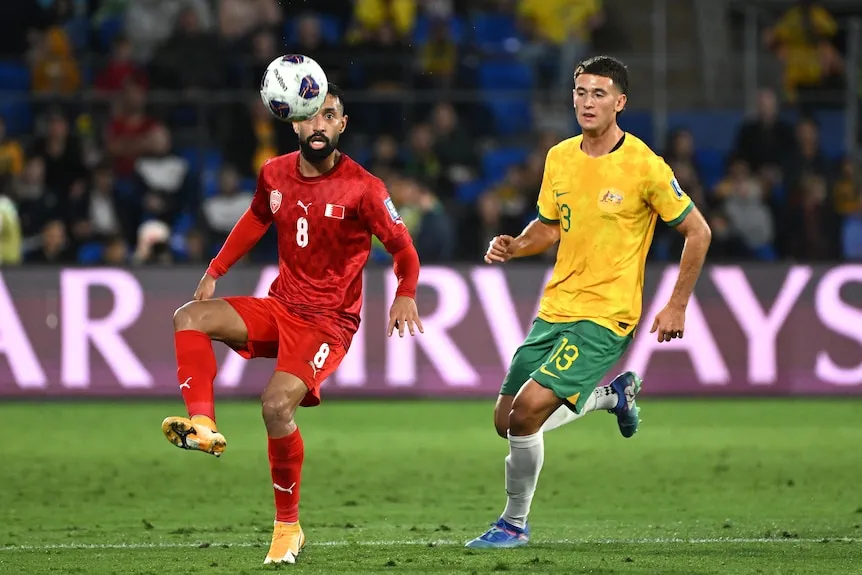
World Cup Qualifiers Europe Matches: Why Europe’s Road to the World Cup Is the Hardest in Football