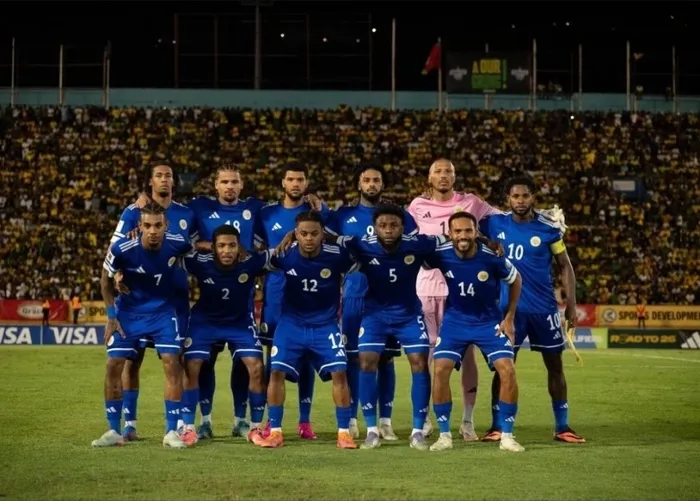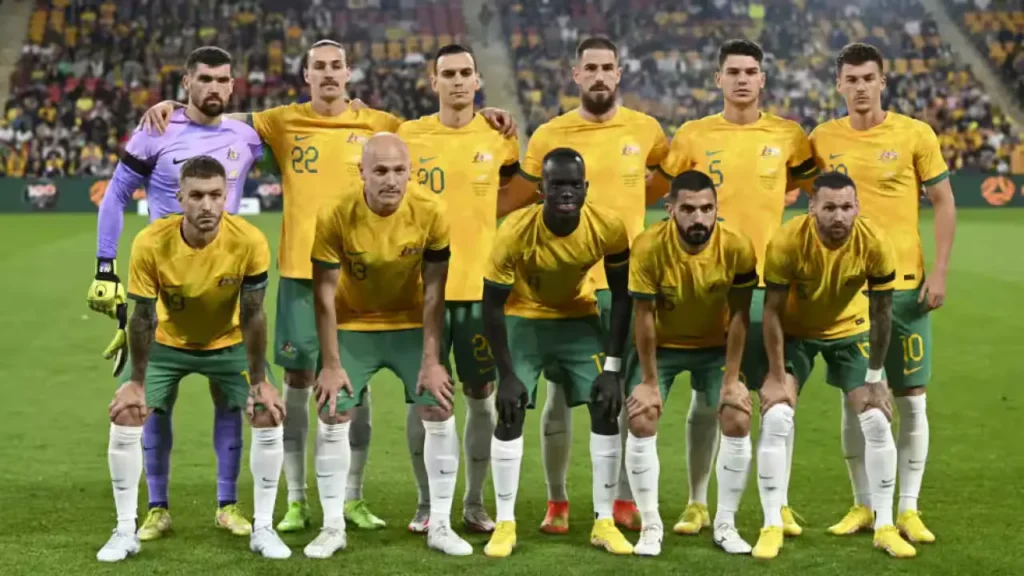
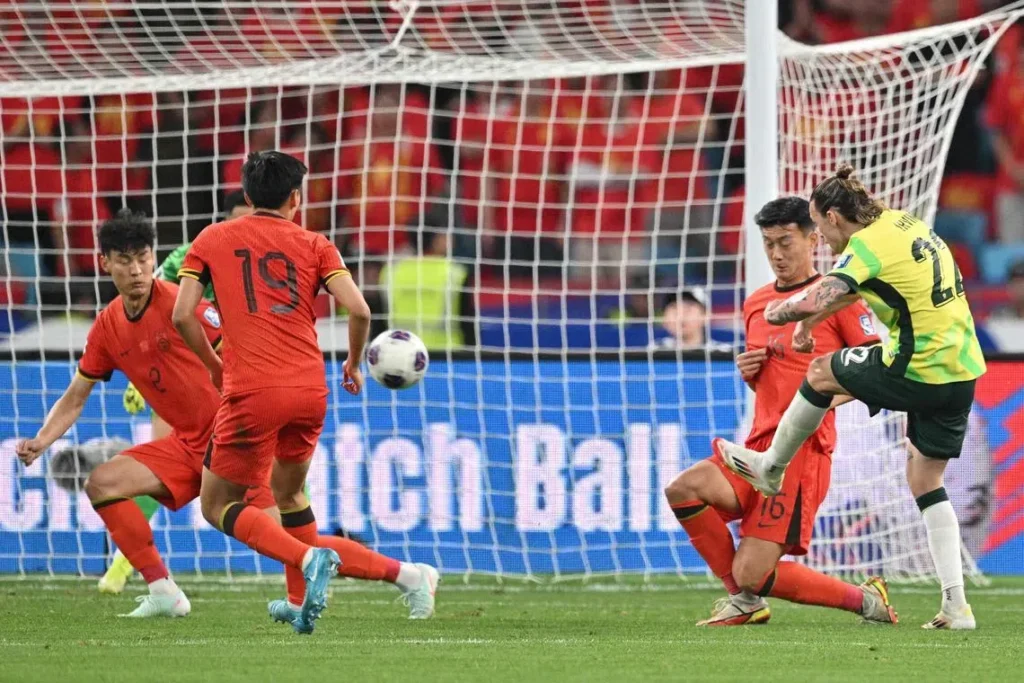
At their core, World Cup matches are still football games — eleven players, one ball, ninety minutes. Yet anyone who has watched enough of them knows they rarely behave like ordinary matches. Passes are safer, runs are shorter, celebrations are restrained, and fear quietly dictates tempo. The World Cup doesn’t amplify football skills as much as it magnifies human psychology.
For Australian viewers, World Cup matches are often experienced at odd hours, away from constant media noise. That distance creates clarity. It becomes easier to see that these matches are not about domination or beauty, but about surviving intense scrutiny while making the fewest irreversible mistakes. This article explores how World Cup matches actually work, why they feel heavier than club football, and what consistently decides outcomes on the world’s biggest stage.
Why World Cup Matches Feel Slower Than They Look on Paper
On paper, World Cup squads are packed with pace, creativity, and athleticism. Yet matches often unfold cautiously. This is not due to lack of ability, but due to risk compression.
Every World Cup match carries consequence beyond the pitch — national pride, career legacy, and historical judgment. When consequences rise, players slow decisions.
Reasons tempo drops at World Cups
- Fear of making the decisive mistake
- Limited recovery time between games
- Lack of long-term team chemistry
- Overlapping emotional and physical fatigue
Slowness in World Cup matches is usually intentional.
Why Talent Alone Rarely Wins World Cup Matches
World Cup history is full of teams with extraordinary talent that exited early. Talent creates options, but pressure removes freedom.
Tournament football rewards teams that understand when not to use their full skill set.
What beats raw talent
- Role clarity
- Emotional regulation
- Trust in structure
- Acceptance of limited chances
World Cup matches are won by teams that play within themselves.
Group Matches: Strategic Caution Disguised as Boredom
Group-stage World Cup matches are often criticised for lacking excitement. In reality, they are deeply strategic.
Teams think across three matches. A controlled draw may unlock a favourable final group game. A wild win may expose weaknesses for later rounds.
Hidden calculations in group matches
- Goal difference protection
- Injury avoidance
- Opponent analysis
- Energy conservation
The group stage is a chessboard, not a sprint.
Knockout Matches: When Football Becomes Emotional Management
Once elimination begins, World Cup matches shift into emotional containment exercises.
Players manage fear, crowds, fatigue, and legacy simultaneously. Tactical bravery is often postponed.
Knockout-stage behaviour patterns
- Shorter attacking sequences
- Deeper defensive lines
- Reluctance to commit numbers forward
- Comfort with extra time
Fear doesn’t ruin knockout matches — it defines them.
The Possession Myth at the World Cup
Possession statistics frequently mislead fans during World Cup matches.
Many successful teams deliberately surrender the ball, preferring control of space rather than control of possession.
Indicators that matter more than possession
- Shot quality conceded
- Territory after turnovers
- Defensive compactness
- Set-piece pressure
In World Cup football, comfort without the ball is power.
The Mid-Match Zone Where Outcomes Are Decided
Between minutes 30 and 70, World Cup matches are often decided quietly.
Fatigue begins to affect reaction speed. Concentration dips. Defensive spacing stretches slightly — enough to matter.
Signals momentum is shifting
- Increase in fouls
- Late recovery runs
- Miscommunication in defence
- Poor second-ball control
Teams that stabilise this phase usually control the match result.
Why Set Pieces Decide More Than Open Play
Set pieces dominate World Cup matches because they temporarily bypass fear.
A corner or free kick creates a structured moment where rehearsed actions replace improvisation.
Why dead balls are decisive
- Reduced defensive reaction time
- Physical mismatches
- Goalkeeper pressure
- Repetition and rehearsal
One set-piece lapse can outweigh ninety minutes of control.
Fatigue That Doesn’t Show on Highlight Reels
World Cup fatigue is subtle. It appears in hesitation, not collapse.
A delayed press. A missed tracking run. A poorly timed tackle. These are fatigue’s fingerprints.
Late-match fatigue indicators
- Slower defensive steps
- Overhit passes
- Increased fouling
- Reduced off-ball movement
Teams that manage fatigue best often advance furthest.
Defence as Psychological Pressure
Elite World Cup defence is psychological warfare.
By denying space repeatedly, defenders force attackers into impatience and low-quality decisions.
Elite defensive behaviours
- Consistent line spacing
- Minimal fouling near the box
- Clear communication
- Disciplined recovery runs
Frustration creates more mistakes than aggression.
Why Coaches Fear Making Changes
Substitutions in World Cup matches carry enormous risk.
Changing personnel can disrupt chemistry, spacing, and emotional balance.
Why fewer substitutions are used
- Fear of positional confusion
- Loss of defensive structure
- Emotional instability
- Game-state disruption
Stability often beats fresh legs.
Why Underdogs Often Look Braver
Underdogs enter World Cup matches free from expectation. That freedom sharpens focus.
They play with simplified roles and clear objectives.
Underdog advantages
- No obligation to dominate
- Compact defensive identity
- Targeted counter-attacks
- Strong set-piece focus
Clarity consistently beats confidence.
The Australian Viewing Advantage
Australians watch World Cup matches without constant media reinforcement.
That distance strips away noise and highlights structure.
What Australians notice more clearly
- Shape consistency
- Tempo management
- Emotional reactions
- Referee influence
Perspective improves understanding.
Why Predictions Fail at the World Cup
World Cup matches compress randomness into short windows.
A deflection, a refereeing decision, or a single error can outweigh preparation.
Why forecasting is unreliable
- Small sample sizes
- Emotional volatility
- Set-piece randomness
- Fatigue accumulation
Uncertainty is not a flaw — it is the point.
FAQ: World Cup Matches
Why do World Cup matches feel tense?
Because consequences are immediate and irreversible.
Why do star players struggle?
Because freedom disappears under pressure.
Why are goals often scarce?
Because risk is managed relentlessly.
Final Reflection: Why World Cup Matches Stay With Us
World Cup matches linger in memory because they reveal how humans behave under maximum pressure.
For Australian fans watching quietly, these matches offer something deeper than spectacle — they offer truth.
At the World Cup, skill opens doors. Composure decides who remains inside.