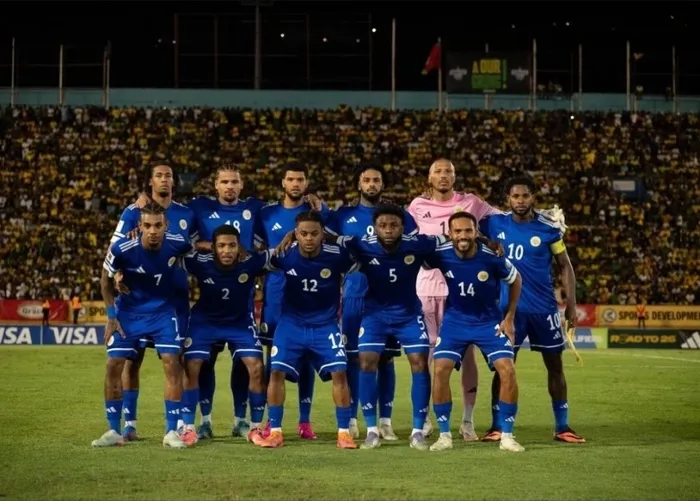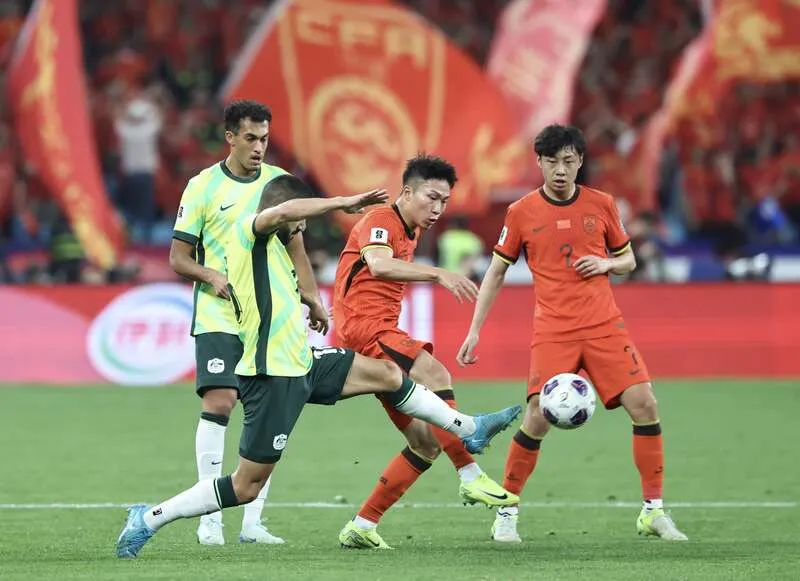
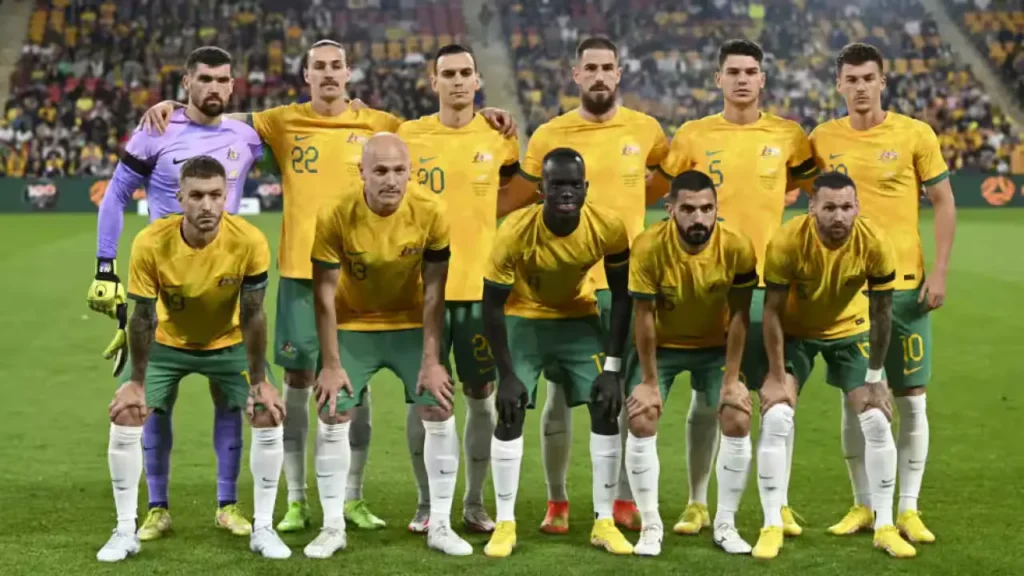
World Cup matches occupy a space in football that no other competition can reach. They are not simply international fixtures played on a bigger stage. They are psychological events, cultural moments, and tactical stress tests rolled into ninety minutes that often feel heavier than an entire club season.
For Australian fans, World Cup matches arrive with unique intensity. The time difference alone changes how they are experienced — watched through tired eyes, early mornings, or late nights, often without the noise of daily media cycles. That distance can be clarifying. It reveals that World Cup matches follow a logic very different from weekly football, and that logic explains why these games so often defy expectation.
Why World Cup Matches Do Not Follow Normal Football Patterns
In domestic leagues, teams play to express identity over time. Mistakes can be corrected next week. In World Cup matches, there is no “next week”. Each game exists as a self-contained judgement.
This reality forces teams to simplify. Risk is delayed. Control becomes more valuable than creativity. Matches slow down not because players lack ability, but because every decision carries consequence.
Structural differences that shape World Cup matches
- Compressed tournament schedules
- Limited preparation time
- Global scrutiny of every decision
- No margin for long-term adjustment
Once these constraints are understood, many World Cup “surprises” stop looking surprising at all.
The Emotional Weight Carried Into Every Match
World Cup matches are emotionally uneven. Some teams arrive carrying generations of expectation. Others arrive with nothing to lose. This imbalance shapes behaviour long before kick-off.
Favourites often play with invisible tension. Underdogs play with clarity. That contrast frequently determines how matches unfold.
Emotional factors that influence outcomes
- Fear of national disappointment
- Media pressure on star players
- Historical baggage from past tournaments
- Public narratives shaping decision-making
World Cup matches are won as much in the mind as on the pitch.
Group Matches: Survival Before Expression
Group-stage World Cup matches are often misread by fans expecting spectacle. In reality, these games are exercises in survival.
Teams calculate risk across three matches, not one. A draw can be valuable. A narrow loss can be managed. A chaotic win can expose vulnerabilities.
Why group matches feel cautious
- Goal difference calculations
- Desire to avoid early elimination
- Limited squad rotation options
- Need to conserve physical energy
Teams that look conservative early often peak later.
Knockout Matches: Where Football Becomes Fearful
Once elimination begins, World Cup matches change character completely. Every mistake carries finality.
This produces a paradox: teams must attack to win, but fear attacking poorly. As a result, matches often tighten rather than open up.
Knockout-stage realities
- Deeper defensive lines
- Slower tempo
- Increased reliance on set pieces
- Substitution conservatism
In knockout football, survival instincts override style.
The Illusion of Dominance
World Cup matches frequently produce misleading visuals. One team dominates possession. The other controls danger.
Dominance without penetration is often counterproductive. Teams that look comfortable without the ball frequently hold the upper hand.
Signs of real control
- Opponent shot quality
- Territory management
- Defensive spacing consistency
- Set-piece efficiency
Possession alone rarely wins World Cup matches.
Why Set Pieces Carry Outsized Importance
Set pieces are the quiet currency of World Cup matches. Tight defences and risk-averse play limit open chances.
Corners, free kicks, and penalties bypass structure and reward preparation.
Why dead balls decide matches
- Defensive concentration lapses
- Physical mismatches
- Rehearsed movement patterns
- Goalkeeper pressure
A single set-piece error can outweigh ninety minutes of control.
The Middle Minutes: Where Matches Are Truly Decided
The most important phase of many World Cup matches occurs quietly between the opening chaos and late desperation.
Fatigue creeps in. Decision-making slows. Teams reveal whether their structure holds under pressure.
Warning signs in the middle phase
- Rising foul counts
- Defensive line stretching
- Poor second-ball recovery
- Communication breakdowns
Teams that manage this phase usually control the outcome.
Defence as an Attacking Weapon
In World Cup matches, defence is not passive. Elite defensive teams dictate how opponents attack.
They force wide play, encourage low-percentage shots, and drain emotional energy.
Traits of elite World Cup defence
- Compact spacing
- Clear role definition
- Minimal fouling in dangerous areas
- Fast defensive recovery
Defensive excellence often produces attacking opportunities indirectly.
The Bench: Stability Over Impact
Substitutions in World Cup matches are often misunderstood. Coaches rarely chase impact. They protect structure.
Poor substitutions destabilise shape. Good ones preserve clarity.
Effective substitution principles
- Positional discipline
- Low-risk decision-making
- Game-state awareness
- Emotional calm
Late-game composure wins more matches than late-game flair.
Why Underdogs Flourish
World Cup matches create ideal conditions for underdogs. Lower expectation frees decision-making.
Underdogs play with defined roles, emotional clarity, and tactical simplicity.
Underdog advantages
- Clear defensive identity
- No obligation to dominate
- Efficient counter-attacking plans
- Set-piece focus
Organisation often outperforms reputation.
The Australian Perspective: Watching Without Noise
Australian fans experience World Cup matches differently. Distance reduces hype and allows analysis.
Without constant media reinforcement, patterns become clearer.
How Australians can watch more insightfully
- Track defensive behaviour
- Watch tempo management
- Observe reactions to pressure
- Notice referee influence
Distance can sharpen understanding.
Why Some Matches Grow in Importance Over Time
Not all World Cup matches feel historic immediately. Many gain meaning later.
A quiet draw can shape a group. A narrow win can open a knockout path.
How matches age
- They influence future match-ups
- They reveal mental strength
- They establish tactical trends
- They alter confidence trajectories
World Cups are cumulative stories.
Common Misconceptions About World Cup Matches
Fans often bring domestic assumptions into tournament football. These assumptions rarely hold.
Misconceptions to discard
- “The better team always wins”
- “Possession equals dominance”
- “Early goals guarantee control”
- “Form carries over cleanly”
World Cup football operates under different rules.
The Human Element
Behind tactics and structure sit human limits. Fatigue, fear, pride, and history shape every action.
World Cup matches expose how players respond when logic and emotion collide.
Human factors that decide matches
- Emotional regulation
- Leadership under stress
- Response to adversity
- Trust in preparation
The World Cup is football’s most human competition.
FAQ: World Cup Matches
Why do World Cup matches feel tense?
Because consequences are immediate and irreversible.
Why do favourites struggle?
Because pressure compresses decision-making.
Is entertainment sacrificed?
Often — in exchange for survival.
Final Reflection: Why World Cup Matches Endure
World Cup matches endure because they are not just games. They are moments where preparation meets fear, where identity is tested, and where human limits are exposed.
For Australian fans watching from afar, understanding these layers transforms confusion into appreciation.
In the World Cup, skill opens doors — but composure decides who walks through them.