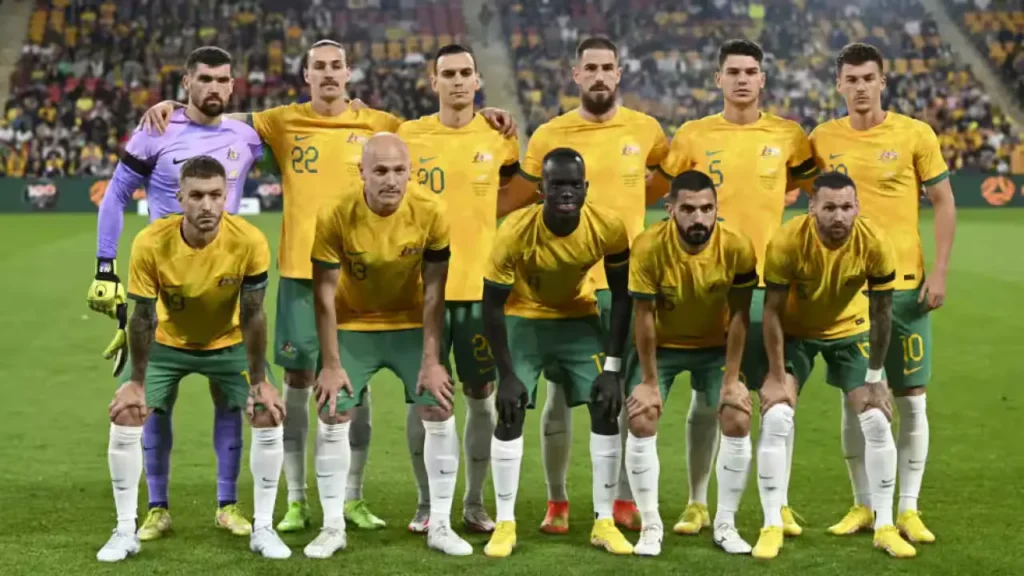
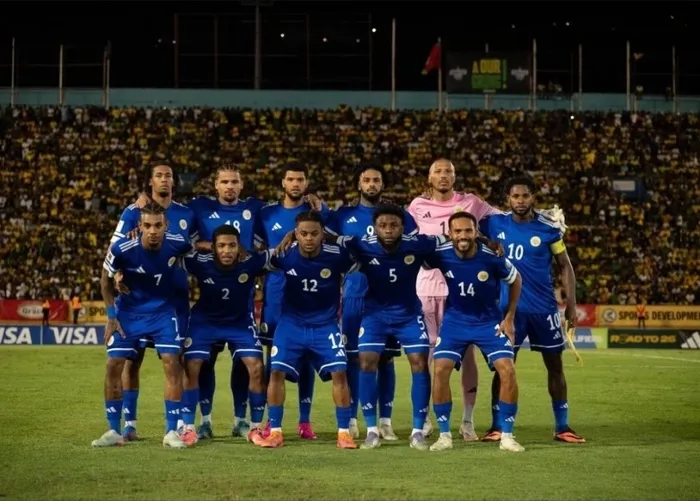
World Cup matches are often described as the pinnacle of football, but that description barely scratches the surface. These games do not follow the logic of domestic leagues, continental cups, or even other international tournaments. They operate under their own rules — psychological, tactical, and emotional — shaped by time pressure, national expectation, and the knowledge that there is no tomorrow if things go wrong.
For Australian fans watching from a distance, World Cup matches can feel confusing. Dominant teams struggle. Lesser-known sides refuse to collapse. Matches that promise goals turn into stalemates, while cagey fixtures suddenly explode. This article breaks down World Cup matches as they actually exist, not as we expect them to exist — explaining why they feel different, how they are decided, and what really matters when the stakes are absolute.
Why World Cup Matches Are Not Just “Bigger Games”
It is tempting to think of World Cup matches as simply higher-quality versions of normal football. In reality, they are structurally different.
Players arrive after long club seasons. Squads have limited preparation time. Coaches must impose clarity quickly, often sacrificing nuance for reliability. Every match carries national consequence, and mistakes are amplified by global attention.
What makes World Cup matches unique
- Condensed schedules with minimal recovery
- Extreme emotional pressure
- Limited tactical experimentation
- Permanent consequences for errors
These conditions change how football is played at every level.
The Two Psychological States of World Cup Matches
World Cup matches usually exist in one of two psychological states: survival or elimination. There is rarely a neutral mindset.
In group stages, teams often play to avoid losing rather than to dominate. In knockout rounds, fear of elimination governs decision-making long before the final whistle.
How psychology shapes play
- Risk is delayed rather than embraced
- Defensive errors are prioritised over attacking creativity
- Tempo is managed cautiously
- Late goals carry disproportionate emotional impact
Understanding this mindset explains why World Cup matches often feel tense rather than expressive.
Why Early World Cup Matches Can Mislead Everyone
Opening World Cup matches rarely reveal the true hierarchy of the tournament. Early games are used to gather information rather than make statements.
Teams test refereeing interpretations, assess opponent pressing intensity, and measure their own physical readiness. As a result, conservative performances can mask strong preparation.
Early indicators that actually matter
- Defensive spacing
- Discipline and foul control
- Set-piece organisation
- Midfield compactness
A narrow, controlled win often signals more than a chaotic high-scoring match.
The Tactical Reality of World Cup Matches
Despite the talent on display, World Cup matches are rarely tactical showcases. Instead, they are exercises in minimising risk.
Most teams operate with reduced pressing, compact defensive lines, and simplified attacking patterns. The goal is not dominance — it is control.
Common tactical features
- Low-to-mid defensive blocks
- Territory-first game plans
- Limited central penetration
- Emphasis on rest defence
This approach may frustrate neutral viewers, but it consistently produces results.
Why Possession Means Less Than You Think
One of the biggest misconceptions about World Cup matches is the importance of possession. High possession does not equal control.
Teams are increasingly comfortable conceding the ball in non-threatening areas, trusting their defensive shape and waiting for transitional opportunities.
Better measures of control
- Territory in the final third
- Quality of chances created
- Opponent shot locations
- Defensive recoveries
This is why teams with 40% possession often progress further than those with 65%.
Set Pieces: The Silent Deciders
Set pieces play an outsized role in World Cup matches. Tight defensive structures and fatigue reduce open-play chances.
Corners and free kicks are rehearsed in detail, often accounting for a significant percentage of goals scored.
Why set pieces matter so much
- They bypass organised defences
- They reward preparation over improvisation
- They punish concentration lapses
- They change matches instantly
Many World Cup matches are effectively decided by one dead-ball moment.
The Middle Phase: Where Matches Are Quietly Won
The most decisive part of many World Cup matches occurs between the 25th and 70th minutes. This is where fatigue sets in and discipline is tested.
Mistakes here are rarely spectacular. A missed tracking run. A late tackle. A poorly timed press. These moments accumulate into pressure.
Warning signs during this phase
- Rising foul counts
- Defensive lines stretching
- Slower transitions
- Communication breakdowns
Teams that manage this phase usually control the match outcome.
Why World Cup Matches Reward Defensive Quality
At the World Cup, defence is proactive rather than reactive. Good defensive teams dictate the rhythm of matches.
They compress space, force predictable attacks, and exhaust opponents emotionally as well as physically.
Traits of elite World Cup defence
- High tackle success
- Clear role definition
- Minimal fouling in dangerous zones
- Compact spacing under pressure
Defence does not just prevent goals — it creates frustration.
The Bench: Control, Not Chaos
Substitutions in World Cup matches are often misunderstood. They are not primarily about adding energy or flair.
The best benches reinforce structure. Poorly timed substitutions introduce chaos at exactly the wrong moment.
Effective bench behaviour
- Immediate positional discipline
- Simple decision-making
- Defensive awareness
- Time management
Late-game clarity often matters more than pace.
The Emotional Weight of World Cup Matches
World Cup matches carry emotional pressure unlike any other football environment. Players represent more than clubs — they carry national narratives.
Crowd noise, social media, and global coverage compress emotional response time.
Mental traits of successful teams
- Fast emotional recovery
- Acceptance of referee decisions
- Strong on-field leadership
- Patience when momentum stalls
Mental stability often decides matches when talent is equal.
Why Upsets Are a Feature, Not a Flaw
Upsets are not accidents in World Cup matches. They are structural outcomes.
Tournament football compresses differences. Organisation and belief often outperform reputation and expectation.
Why underdogs succeed
- Clear defensive identity
- Low emotional burden
- Efficient use of chances
- Strong set-piece focus
World Cup matches reward preparation over prestige.
The Australian Viewing Experience
For Australian fans, World Cup matches are watched at unusual hours and often without the comfort of familiar narratives.
This distance can be an advantage. Neutral viewing allows clearer tactical understanding.
How Australians can watch smarter
- Track defensive shape rather than possession
- Watch how teams protect leads
- Notice reaction to missed chances
- Observe referee consistency
Understanding context transforms frustration into insight.
Why World Cup Matches Age Differently
Some matches feel unforgettable immediately. Others grow in significance over time.
World Cup matches often gain meaning retrospectively, as later results reveal their importance.
Why matches age well
- They shape group dynamics
- They influence knockout paths
- They define tactical trends
- They expose mental resilience
The World Cup is a story told across many chapters.
FAQ: World Cup Matches
Why are World Cup matches often low scoring?
Because teams prioritise risk management over attacking freedom.
Do favourites always control games?
No. Tournament football compresses gaps dramatically.
Is possession an accurate indicator?
Only when combined with territory and chance quality.
Final Reflection: Why World Cup Matches Stay With Us
World Cup matches are remembered not just for goals, but for tension, patience, and consequence. They test teams under conditions no other competition can replicate.
For Australian fans willing to look beyond highlights, each match becomes a lesson in pressure, discipline, and human response at the highest level.
In the World Cup, moments are celebrated — but structure decides who survives.